概述
学习自2025年Java春招手写Spring源码,1000分钟让你彻底搞懂Spring底层原理与源码实现,挑战7天打卡春招上岸!_哔哩哔哩_bilibili
记录手写Spring相关的知识点,本部分主要为手写模拟Spring的Bean的生命周期,包括容器初始化、BeanDefinition扫描、单例和多例Bean、依赖注入、Aware回调、初始化以及BeanPostProcessor
思维导图
基础概念
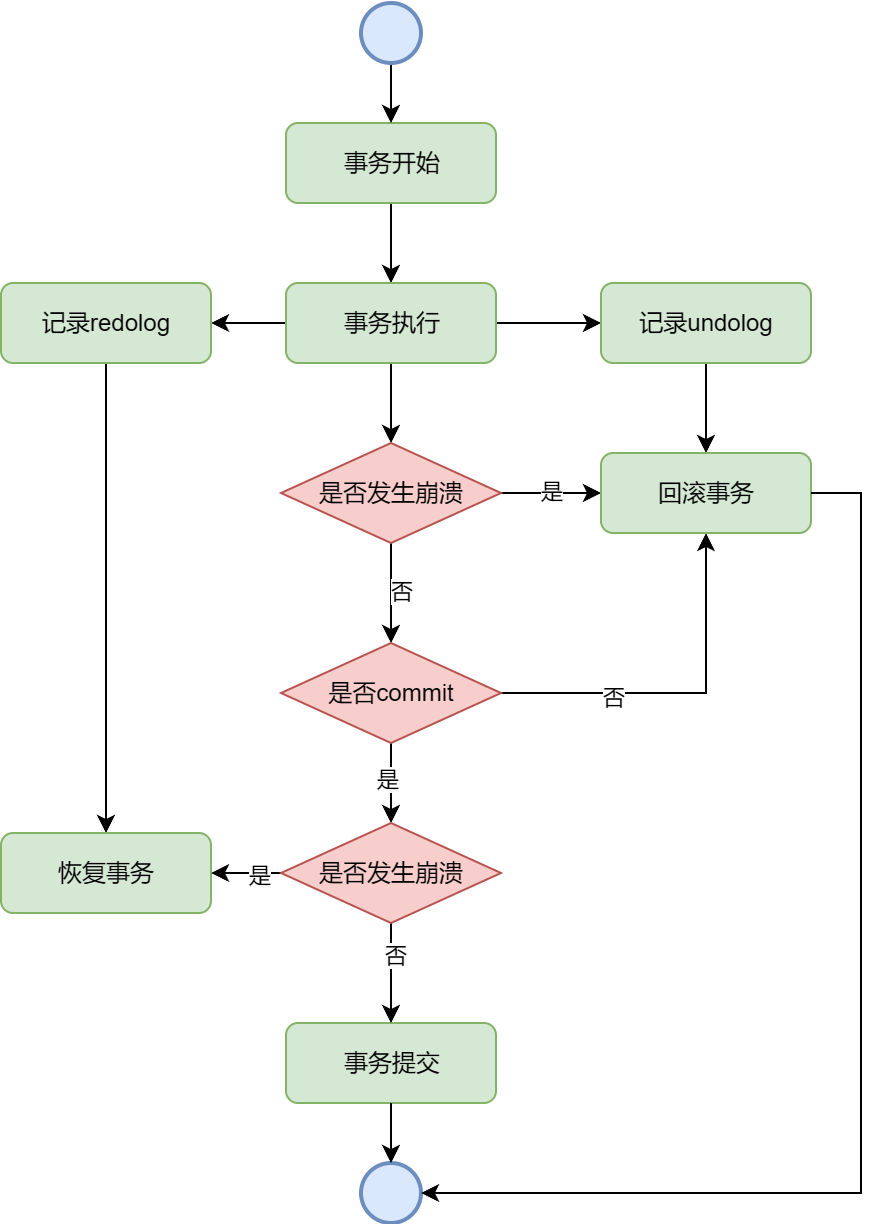
Spring的生命周期如下:
实例化:Spring容器根据配置文件或注解实例化Bean对象
属性注入:Spring将依赖(通过构造器、setter方法或字段注入)注入到Bean实例中
初始化前的扩展机制:如果Bean实现了BeanNameAware等aware接口,则执行aware注入
初始化前(BeanPostProcessor):在Bean初始化前,通过BeanPostProcessor接口对Bean进行一些额外的处理
初始化:调用InitializingBean接口的afterPropertiesSet方法或通过init-method属性指定的初始化方法
初始化后(BeanPostProcessor):在Bean初始化后,通过BeanPostProcessor接口进行进一步的处理
使用Bean:Bean已初始化完成,可以被容器中的其他Bean使用
销毁:当容器关闭时,Spring调用DisposableBean接口的destroy方法或通过destroy-method属性指定的销毁方法
流程图如下所示:

- 实例化时,会有一个推断构造方法的过程,对于一个Bean,如果没有构造方法,会报错,如果有一个构造方法,Spring会使用这个无参构造方法,如果有多个构造方法,如果多个构造方法中有无参,则Spring用无参,如果没有无参,则报错,因为Spring也不知道会用哪个构造方法
- 推断构造方法中,如果使用的有参构造方法,注入的Bean的注入过程中(单例Bean),先ByType在ByName,即先根据类型去单例池中去找,如果有多个再根据名称去找
- 依赖注入同推断构造方法,先ByType在ByName
- 初始化前,如果Bean对象的方法上有一个注解叫@PostConstruct,那么这个方法会在初始化前运行
- AOP在初始化后这个环节,如果是一个单例Bean,那么放到单例池里的是代理对象,如果不是AOP,那么放到单例池里的就是原本的Bean
手写模拟
初始化
新建一个普通的java项目,创建两个目录,一个service,一个spring,前者测试,后者保存手写的Spring的代码
Spring代码
-
首先即为Spring的容器类,容器类里需要有一个配置类,和对应的构造方法
-
容器类中有一个经典的getBean方法,在此处也先定义上
1
2
3
4
5
6
7
8
9
10
11
| public class CrossacidApplicationContext {
private Class configClass;
public CrossacidApplicationContext(Class appConfigClass) {
this.configClass = appConfigClass;
}
public Object getBean(String beanName) {
return null;
}
}
|
配置类上要有Bean的扫描路径,故需要写一个注解,来表明需要扫描哪个路径下的Bean
1
2
3
4
5
| @Retention(RetentionPolicy.RUNTIME)
@Target(ElementType.TYPE)
public @interface ComponentScan {
String value() default "";
}
|
那么对应的,就需要标识Bean,此处就定义一个新的注解
1
2
3
4
5
6
| @Retention(RetentionPolicy.RUNTIME)
@Target(ElementType.TYPE)
public @interface Component {
String value() default "";
}
|
测试代码
配置类如下所示:
1
2
3
4
| @ComponentScan("crossacid.service")
public class AppConfig {
}
|
显示扫描crossacid.service这个包下面的Bean
定义一个UserService
1
2
3
4
| @Component("userService")
public class UserService{
}
|
将AppConfig这一配置类作为参数传入自定义容器中,并设置一个UserService的getBean测试,此处肯定为null,因为还什么都没有写
1
2
3
4
5
6
7
| public class Test {
public static void main(String[] args) {
CrossacidApplicationContext applicationContext = new CrossacidApplicationContext(AppConfig.class);
UserService userService = (UserService) applicationContext.getBean("userService");
}
}
|
BeanDefinition扫描
Spring代码
Spring扫描Bean时,不会直接创建一个完整的Bean,这样是为了避免循环依赖,因此,首先定义一个BeanDefinition:
1
2
3
4
5
6
7
8
9
10
11
| public class BeanDefinition {
private Class type;
public Class getType() {
return type;
}
public void setType(Class type) {
this.type = type;
}
}
|
为此,需要在容器类CrossacidApplicationContext中添加一个字段,即beanDefinitionMap
1
2
3
4
5
| public class CrossacidApplicationContext {
private ConcurrentHashMap<String, BeanDefinition> beanDefinitionMap = new ConcurrentHashMap<>();
}
|
Spring扫描Bean的步骤如下:
- 获取配置类上的
ComponentScan注解
- 获取
ComponentScan注解上的扫描路径
- 获取容器类的类加载器
- 使用
getResource方法获取当前路径的URL(IDEA默认配置下,此时即编译后的out路径下对应的class文件夹)
- 通过
URL的getFile方法获取文件夹
- 遍历文件夹,针对每个文件,判断是否为.class结尾
- 对于以.class结尾的文件,获取其全类名
- 接下来,需要进一步分析,对应的类是否存在
Component注解
代码添加在CrossacidApplicationContext的初始化方法中,如下:
1
2
3
4
5
6
7
8
9
10
11
12
13
14
15
16
17
18
19
20
21
22
23
24
25
26
27
28
29
30
31
32
33
34
35
36
37
38
39
40
41
42
43
44
45
46
47
48
49
50
51
52
53
54
55
56
57
58
59
60
61
62
63
64
65
66
67
| public CrossacidApplicationContext(Class appConfigClass) {
this.configClass = appConfigClass;
if (configClass.isAnnotationPresent(ComponentScan.class)) {
if (configClass.isAnnotationPresent(ComponentScan.class)) {
ComponentScan componentScanAnnotation = (ComponentScan) configClass.getAnnotation(ComponentScan.class);
String path = componentScanAnnotation.value();
path = path.replace(".", "/");
ClassLoader classLoader = CrossacidApplicationContext.class.getClassLoader();
URL resource = classLoader.getResource(path);
File file = new File(resource.getFile());
if (file.isDirectory()) {
File[] files = file.listFiles();
for (File f : files) {
String fileName = f.getAbsolutePath();
if (fileName.endsWith(".class")) {
String basePath = "crossacid-spring\\out\\production\\crossacid-spring\\";
String className = fileName.substring(fileName.indexOf(basePath) + basePath.length(), fileName.indexOf(".class"));
className = className.replace("\\", ".");
System.out.println(className);
try {
Class<?> clazz = classLoader.loadClass(className);
if (clazz.isAnnotationPresent(Component.class)) {
Component component = clazz.getAnnotation(Component.class);
String beanName = component.value();
if (beanName.equals("")) {
beanName = Introspector.decapitalize(clazz.getSimpleName());
}
BeanDefinition beanDefinition = new BeanDefinition();
beanDefinition.setType(clazz);
beanDefinitionMap.put(beanName, beanDefinition);
}
} catch (ClassNotFoundException e) {
throw new RuntimeException(e);
} catch (InstantiationException e) {
throw new RuntimeException(e);
} catch (IllegalAccessException e) {
throw new RuntimeException(e);
}
}
}
}
}
}
}
|
单例和多例Bean实例化
Spring代码
单例Bean和多例Bean涉及到Spring的Bean的作用域问题(Scope),此处手写,只简单实现singleton和prototype,前者为单例,即整个IOC容器内部仅此一个,而后者则为多实例。
完整Spring作用域如下引用
singleton:默认,单例,整个IOC容器内部仅此一个
prototype:原型,会存在多个Bean实例
request:每个请求都会新建一个属于自己的Bean实例,这种作用域只存在于Spring Web中
session:一个http session中只有一个bean实例,这种作用域只存在于Spring Web中
application:整个SevelretContext生命周期内,只有一个bean,这种作用域仅存在于Spring Web中
websocket:一个WebSocket生命周期内一个bean实例,这种作用域仅存在于Spring Web中
首先定义一个Scope注解,使用方法同其他自定义注解,不写则默认为单例
1
2
3
4
5
| @Retention(RetentionPolicy.RUNTIME)
@Target(ElementType.TYPE)
public @interface Scope {
String value() default "";
}
|
在Spring的BeanDefinition这块,也需要添加上对应的操作和判断
1
2
3
4
5
6
7
8
9
10
11
12
| BeanDefinition beanDefinition = new BeanDefinition();
beanDefinition.setType(clazz);
if (clazz.isAnnotationPresent(Scope.class)) {
Scope scopeAnnotation = clazz.getAnnotation(Scope.class);
beanDefinition.setScope(scopeAnnotation.value());
} else {
beanDefinition.setScope("singleton");
}
beanDefinitionMap.put(beanName, beanDefinition);
|
为了区分单例Bean和多例Bean,此时需要一个新的属性,单例Bean的Map,同样写在容器类的属性中,代码如下
1
| private ConcurrentHashMap<String, Object> singletonObjects = new ConcurrentHashMap<>();
|
在扫描完BeanDefinition,将所有的BeanDefinition都创建好放到beanDefinitionMap中后,再将所有的单例Bean放到singletonObjects中
1
2
3
4
5
6
7
| for (String beanName : beanDefinitionMap.keySet()) {
BeanDefinition beanDefinition = beanDefinitionMap.get(beanName);
if (beanDefinition.getScope().equals("singleton")) {
Object bean = createBean(beanName, beanDefinition);
singletonObjects.put(beanName, bean);
}
}
|
其中有个createBean方法,需要手动实现,即创建Bean的方法
1
2
3
4
5
6
7
8
9
| private Object createBean(String beanName, BeanDefinition beanDefinition) {
Class clazz = beanDefinition.getType();
try {
Object instance = clazz.getConstructor().newInstance();
return instance;
}
return null;
}
|
从而,在获取Bean对象时,即执行getBean时,即可根据作用域来进行区分,步骤如下:
- 获取beanDefinitionMap中的Bean
- 如果为空则报空指针
- 否则获取作用域
- 如果为单例,则去单例的Map进行查找,不是则跳转6
- 如果为空,则创建该单例(实际上在扫描的时候就应该创建过了)并返回
- 如果不是单例,则创建Bean
1
2
3
4
5
6
7
8
9
10
11
12
13
14
15
16
17
18
19
20
| public Object getBean(String beanName) {
BeanDefinition beanDefinition = beanDefinitionMap.get(beanName);
if (beanDefinition == null) {
throw new NullPointerException();
} else {
String scope = beanDefinition.getScope();
if (scope.equals("singleton")) {
Object bean = singletonObjects.get(beanName);
if (bean == null) {
Object o = createBean(beanName, beanDefinition);
singletonObjects.put(beanName, o);
}
return bean;
} else {
return createBean(beanName, beanDefinition);
}
}
}
|
测试代码
此处可以测试一下多例,修改下UserService的Scope
1
2
3
4
5
6
7
| @Scope("prototype")
@Component("userService")
public class UserService implements BeanNameAware, InitializingBean, UserInterface{
public void test() {
System.out.println(orderService);
}
}
|
那么就可以修改测试代码
1
2
3
4
5
6
7
8
9
10
11
| public class Test {
public static void main(String[] args) {
CrossacidApplicationContext applicationContext = new CrossacidApplicationContext(AppConfig.class);
System.out.println(applicationContext.getBean("userService"));
System.out.println(applicationContext.getBean("userService"));
System.out.println(applicationContext.getBean("userService"));
System.out.println(applicationContext.getBean("orderService"));
}
}
|
如果是prototype,那么此时打印的结果应该是不一样的,反之不写这个,或者是singleton的话,则打印的结果应该是一样的
依赖注入
依赖注入是一个很经典的Spring的环节,在Spring中解决依赖注入主要是基于三级缓存的,此处只是简单实现一下
Spring代码
首先是定义一个依赖注入的注解Autowried(类型注入,Spring提供,多个同类型的Bean需要使用@Qualifier指定具体的Bean)
1
2
3
4
5
| @Retention(RetentionPolicy.RUNTIME)
@Target(ElementType.FIELD)
public @interface Autowired {
}
|
手写这块,主要是在createBean方法中进行实现
首先实例化一个Instace,然后通过反射获取其属性,看看属性上是否有Autowired注解,如果有,则根据那个属性的名称去获取对应的Bean进行注入
1
2
3
4
5
6
7
8
9
10
11
12
13
14
15
16
17
18
19
20
21
22
23
24
25
| private Object createBean(String beanName, BeanDefinition beanDefinition) {
Class clazz = beanDefinition.getType();
try {
Object instance = clazz.getConstructor().newInstance();
for (Field field : clazz.getDeclaredFields()) {
if (field.isAnnotationPresent(Autowired.class)) {
field.setAccessible(true);
field.set(instance, getBean(field.getName()));
}
}
return instance;
} catch (InstantiationException e) {
throw new RuntimeException(e);
} catch (IllegalAccessException e) {
throw new RuntimeException(e);
} catch (InvocationTargetException e) {
throw new RuntimeException(e);
} catch (NoSuchMethodException e) {
throw new RuntimeException(e);
}
return null;
}
|
测试代码
新建一个OrderService的Bean
1
2
3
| @Component
public class OrderService {
}
|
修改原来的UserService,加入一个OrderService的Bean,并创建一个test方法进行测试
1
2
3
4
5
6
7
8
9
10
| @Component("userService")
public class UserService {
@Autowired
private OrderService orderService;
public void test() {
System.out.println(orderService);
}
}
|
则测试类方法如下:
1
2
3
4
5
6
7
8
9
10
11
12
13
| package crossacid.service;
import crossacid.spring.CrossacidApplicationContext;
public class Test {
public static void main(String[] args) {
CrossacidApplicationContext applicationContext = new CrossacidApplicationContext(AppConfig.class);
UserService userService = (UserService) applicationContext.getBean("userService");
userService.test();
}
}
|
会发现成功输出了OrderService这个属性的信息
Aware回调
此处的理解为一个扩展的机制,可以在Bean初始化前,获取Bean名称、BeanFactory等容器资源,此处仅实现获取Bean名称的接口
Spring代码
首先写一个BeanNameAware的接口
1
2
3
| public interface BeanNameAware {
public void setBeanName(String beanName);
}
|
然后再createBean方法中进行补充,如果实现了这个接口,则执行这个接口的setBeanName方法
1
2
3
4
5
6
7
8
9
10
11
12
13
14
15
16
17
18
19
20
21
| try {
Object instance = clazz.getConstructor().newInstance();
for (Field field : clazz.getDeclaredFields()) {
if (field.isAnnotationPresent(Autowired.class)) {
field.setAccessible(true);
field.set(instance, getBean(field.getName()));
}
}
if (instance instanceof BeanNameAware) {
((BeanNameAware) instance).setBeanName(beanName);
}
return instance;
} catch (Exception e) {
throw new Exception(e);
}
|
测试代码
让UserService实现这个接口
1
2
3
4
5
6
7
8
9
10
11
12
13
14
15
16
17
| @Component("userService")
public class UserService implements BeanNameAware {
@Autowired
private OrderService orderService;
private String beanName;
@Override
public void setBeanName(String beanName) {
this.beanName = beanName;
}
public void test() {
System.out.println(orderService);
}
}
|
初始化
Spring代码
初始化机制,Spring会提供一个InitializingBean的接口,会提供一个afterPropertiesSet方法,首先也写一一个InitializingBean接口
1
2
3
| public interface InitializingBean {
public void afterPropertiesSet();
}
|
在createBean中也补充对应逻辑,如果某个Bean实现了InitializingBean接口,则执行它的afterPropertiesSet方法
1
2
3
4
5
6
7
8
9
10
11
12
13
14
15
16
17
18
19
20
21
22
23
24
25
26
| try {
Object instance = clazz.getConstructor().newInstance();
for (Field field : clazz.getDeclaredFields()) {
if (field.isAnnotationPresent(Autowired.class)) {
field.setAccessible(true);
field.set(instance, getBean(field.getName()));
}
}
if (instance instanceof BeanNameAware) {
((BeanNameAware) instance).setBeanName(beanName);
}
if (instance instanceof InitializingBean) {
((InitializingBean) instance).afterPropertiesSet();
}
return instance;
} catch (Exception e) {
throw new Exception(e);
}
|
测试代码
更新UserService
1
2
3
4
5
6
7
8
9
10
11
12
13
14
15
16
17
18
19
20
21
22
23
| @Component("userService")
public class UserService implements BeanNameAware, InitializingBean {
@Autowired
private OrderService orderService;
private String beanName;
@Override
public void setBeanName(String beanName) {
this.beanName = beanName;
}
@Override
public void afterPropertiesSet() {
System.out.println("xxxxxxxxxxxxxxxxxxxxxx");
}
public void test() {
System.out.println(orderService);
}
}
|
BeanPostProcessor
BeanPostProcessor这块就和AOP相关了,就是一个后置处理器,Spring就提供了一个BeanPostProcessor接口
Spring代码
首先写一个BeanPostProcessor接口,里面包含两个方法,postProcessBeforeInitialization、postProcessAfterInitialization,一个前置,一个后置,即初始化前和初始化后,其中初始化后的方法一般和AOP关联
1
2
3
4
| public interface BeanPostProcessor {
public Object postProcessBeforeInitialization(Object bean, String beanName);
public Object postProcessAfterInitialization(Object bean, String beanName);
}
|
针对这个BeanPostProcessor接口,Spring中也有一个单独的Map来存,即在容器类中添加该属性
1
| private ArrayList<BeanPostProcessor> beanPostProcessorList = new ArrayList<>();
|
在扫描到实现了这个接口的Bean时,就也会有一些额外的逻辑(这段在容器类的构造方法中),如果实现了这个接口,就会创建一个对应的BeanPostProcessor放到beanPostProcessorList中去
1
2
3
4
5
6
7
8
9
10
11
12
13
| if (clazz.isAnnotationPresent(Component.class)) {
if (BeanPostProcessor.class.isAssignableFrom(clazz)) {
BeanPostProcessor instance = (BeanPostProcessor) clazz.newInstance();
beanPostProcessorList.add(instance);
}
beanDefinitionMap.put(beanName, beanDefinition);
}
|
那么在creatBean方法中,也需要扩展对应的逻辑,初始化前,执行这个对应的instance的postProcessBeforeInitialization方法,初始化后,执行postProcessAfterInitialization方法
1
2
3
4
5
6
7
8
9
10
11
12
13
14
15
16
17
18
19
20
21
22
23
24
25
26
27
28
29
30
31
32
33
34
35
36
| try {
Object instance = clazz.getConstructor().newInstance();
for (Field field : clazz.getDeclaredFields()) {
if (field.isAnnotationPresent(Autowired.class)) {
field.setAccessible(true);
field.set(instance, getBean(field.getName()));
}
}
if (instance instanceof BeanNameAware) {
((BeanNameAware) instance).setBeanName(beanName);
}
for (BeanPostProcessor beanPostProcessor : beanPostProcessorList) {
instance = beanPostProcessor.postProcessBeforeInitialization(instance, beanName);
}
if (instance instanceof InitializingBean) {
((InitializingBean) instance).afterPropertiesSet();
}
for (BeanPostProcessor beanPostProcessor : beanPostProcessorList) {
instance = beanPostProcessor.postProcessAfterInitialization(instance, beanName);
}
return instance;
} catch (Exception e) {
throw new Exception(e);
}
|
测试代码
就和实现AOP一样,这块也写一个方法,实现BeanPostProcessor接口,就类似一个切面吧
这里面在初始化前加了一些逻辑,初始化后执行代理类的一些方法
UserService在初始化前时,就会执行createBean中的这一段代码beanPostProcessor.postProcessBeforeInitialization(instance, beanName)因为它符合postProcessBeforeInitialization中的判断,就会打印一个111
1
2
3
4
5
6
7
8
9
10
11
12
13
14
15
16
17
18
19
20
21
22
23
24
25
| @Component
public class CrossacidBeanPostProcessor implements BeanPostProcessor {
@Override
public Object postProcessBeforeInitialization(Object bean, String beanName) {
if (beanName.equals("userService")) {
System.out.println(111);
}
return bean;
}
@Override
public Object postProcessAfterInitialization(Object bean, String beanName) {
if (beanName.equals("userService")) {
Object proxyInstance = Proxy.newProxyInstance(CrossacidBeanPostProcessor.class.getClassLoader(), bean.getClass().getInterfaces(), new InvocationHandler() {
@Override
public Object invoke(Object proxy, Method method, Object[] args) throws Throwable {
System.out.println("切面逻辑");
return method.invoke(bean, args);
}
});
return proxyInstance;
}
return bean;
}
}
|
如果此处UserService需要实现AOP,那么初始化后,需要返回一个代理类,即执行postProcessAfterInitialization方法,此处的逻辑是创建一个代理类并执行相应方法并返回这个代理类
因为上述使用的是jdk动态代理,所以需要让UserService实现一个接口
1
2
3
| public interface UserInterface {
public void test();
}
|
1
2
3
4
5
6
7
8
9
10
| @Component("userService")
public class UserService implements UserInterface{
@Autowired
private OrderService orderService;
public void test() {
System.out.println(orderService);
}
}
|
那么,此时就要修改测试代码
1
2
3
4
5
6
7
8
9
10
11
12
13
14
15
| public class Test {
public static void main(String[] args) {
CrossacidApplicationContext applicationContext = new CrossacidApplicationContext(AppConfig.class);
UserInterface userService = (UserInterface) applicationContext.getBean("userService");
userService.test();
}
}
|
就可以看到”切面逻辑“在控制台输出